BLOG

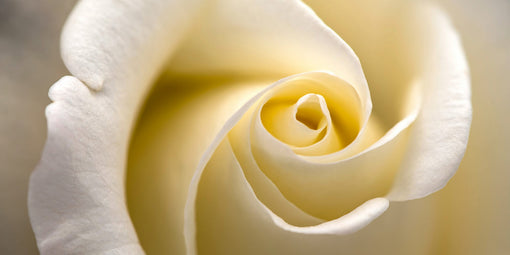
White rose by LOV Flowers

11 Stunning Flowers That Look Like Roses

Roses are the most popular flowers in the world. But, sometimes it can be refreshing to send someone a bouquet with flowers that looks just like a roses.

Learn More
Gerbera flowers symbolism history and facts
  • Article published at:
All About Gerberas
Gerberas: The Vibrant Blooms That Brighten Any Space Welcome to the colourful world of gerberas, one of the most cheerful and vibrant flowers you can find. These blooms are a favorite in floral arrangements and gardens alike, thanks to their stunning colours and long-lasting beauty.  History and Origin Gerberas were first discovered in South Africa in the late 19th century by botanist Robert Jameson, after whom the Gerbera jamesonii is named. These flowers quickly gained popularity due to their bright colours and large, daisy-like appearance. Over time, they spread to various parts of the world, including Europe and the United States, where they became a beloved garden and florist staple. Today, gerberas are grown in many countries and are particularly popular in the Netherlands, a major hub for flower cultivation. Description and Characteristics Gerberas are known for their striking appearance, with large, daisy-like flowers that can reach up to 5 inches in diameter. They come in a wide array of colours, including vibrant reds, oranges, pinks, yellows, and even purples. The center of the flower can be black or green, adding to its unique look. Gerberas have a sturdy, leafless stem that supports the flower head, making them perfect for cutting and arranging. The plant itself typically has a rosette of large, lobed leaves that grow close to the ground. Types of Gerberas Gerberas come in several types, each with its own unique charm: Single Flower Gerberas These are the most common type, featuring a single row of petals around the center disk. They are simple yet striking and come in a variety of colours. Double Flower Gerberas These have multiple rows of petals, giving them a fuller appearance. They are often used in more elaborate floral arrangements due to their lush look. Crested Double Flower Gerberas These gerberas have double rows of petals with an additional row of smaller, petal-like structures in the center, adding texture and depth. Full Crested Double Flower Gerberas These flowers are similar to crested doubles but have even more petal layers, creating a very full and intricate bloom. Growing Gerberas Growing gerberas can be a rewarding experience if you provide them with the right conditions: Ideal Climate and Soil Conditions Gerberas thrive in warm climates and well-draining soil. They prefer temperatures between 15-24°C and do not tolerate frost well. The soil should be rich in organic matter with a pH between 5.5 and 6.5. Planting Techniques You can grow gerberas from seeds, seedlings, or cuttings. If planting seeds, start them indoors in a seed tray and transplant them once they have a few true leaves. Seedlings and cuttings can be planted directly in the garden or in pots. Watering, Fertilizing, and Sunlight Requirements Gerberas need regular watering but do not like to sit in water. Ensure the soil is moist but not soggy. Fertilize them every two weeks with a balanced fertiliser during the growing season. They require full sun to partial shade, with at least 6 hours of direct sunlight daily. Common Pests and Diseases Gerberas can be susceptible to pests like aphids, spider mites, and whiteflies. Use insecticidal soap or neem oil to manage these pests. They can also be affected by fungal diseases such as powdery mildew and root rot. Ensure good air circulation and avoid overwatering to prevent these issues. Caring for Gerberas Maintaining healthy gerberas involves a few simple steps. Regularly remove dead or damaged leaves and spent flowers to encourage new growth. This process, known as deadheading, helps prolong the blooming period. In cooler climates, consider bringing potted gerberas indoors during the winter or providing them with frost protection. In hotter climates, provide some afternoon shade to prevent heat stress. To keep your gerberas blooming longer, ensure they receive adequate water and nutrients. Deadheading also promotes continuous flowering. In regions with frost, overwinter gerberas by digging up the plants and storing them in a cool, dry place. Alternatively, grow them in pots that can be brought indoors during the winter months. Uses of Gerberas Gerberas are incredibly versatile and can be used in various ways: Floral Arrangements Gerberas are a popular choice for bouquets, centerpieces, and other floral arrangements due to their vibrant colours and sturdy stems. They add a cheerful touch to any setting. Garden Plants In the garden, gerberas can be used as border plants, in mixed beds, or in pots. Their bright flowers attract pollinators like bees and butterflies, enhancing the garden's biodiversity. Symbolism and Occasions Gerberas symbolise innocence, purity, and cheerfulness. They are often given as gifts for birthdays, anniversaries, and other celebrations to convey joy and positivity. DIY Projects and Crafts Get creative with gerberas by using them in DIY projects like flower crowns, pressed flower art, or homemade greeting cards. Their bold colors and shapes make them ideal for crafting. Fun Facts About Gerberas Here are some interesting tidbits about gerberas: Gerberas are named after German botanist Traugott Gerber. They are the fifth most popular cut flower in the world. The flowers can last up to two weeks in a vase with proper care. Gerberas come in almost every color except blue. They are used in research as a model organism for studying flower development. Popular Gerbera Combinations Gerberas pair well with various flowers and plants. Combine gerberas with roses, lilies, or daisies for a stunning bouquet. They also look great with greenery like ferns and eucalyptus. Garden Layouts In the garden, plant gerberas alongside other sun-loving flowers like marigolds, zinnias, and petunias. Their bright colors complement each other beautifully. Seasonal Themes For a summer theme, pair yellow and orange gerberas with sunflowers and snapdragons. In spring, mix pastel gerberas with tulips and daffodils for a fresh look. Conclusion Gerberas are truly a delight for any flower lover. Their vibrant colours, diverse varieties, and ease of care make them a fantastic choice for gardens and floral arrangements. Whether you're brightening your home, gifting a cheerful bouquet, or enhancing your garden's beauty, gerberas are sure to impress. With their longevity in gardens and vases, they offer lasting beauty and are versatile in various settings. Whether you're a novice or seasoned gardener, gerberas are accessible and bring nature's charm indoors as potted plants. Symbolising innocence, purity, and cheerfulness, they make perfect gifts to convey happiness and positivity. Embrace gerberas to enrich your surroundings with their vibrant colours and stunning blooms, bringing joy and a splash of nature's beauty into your life.
Learn More
Beautiful Blue Flowers
  • Article published at:
8 Beautiful Blue Flowers
Blue flowers are a rare and exquisite sight in the botanical world, making them highly sought after for gardens and floral arrangements alike. Get inspired with our list of the 8 most beautiful flowers on the market.
Learn More
most popular summer flowers bouquet
  • Article published at:
6 Most Popular Summer Flowers
Find out which the 5 most popular summer flowers in the UK are, including dahlias, sunflowers, sweet peas, hydrangeas, and gladioli. Learn about their unique features, care tips, and how to incorporate these vibrant blooms into your garden or floral arrangements.
Learn More
Larkspur flowers meanings symbolism and history
  • Article published at:
Discovering the Charm of Larkspur
Discover the enchanting world of larkspur flowers! Learn about their vibrant colours, fascinating symbolism, ideal growing conditions, and how to use them in stunning floral arrangements.
Learn More
Flower Farms Can Support Bee Populations
  • Article published at:
The Importance of Pollinators: How Flower Farms Can Support Bee Populations
Pollinators, especially bees, play a crucial role in maintaining healthy ecosystems and supporting agriculture. As the primary pollinators for many flowering plants, bees are vital for the reproduction of these plants and the production of fruits and seeds. Flower farms, which rely heavily on the process of pollination, are in a unique position to support and protect bee populations. This article explores the importance of pollinators, the threats they face, and how flower farms can implement strategies to foster a thriving environment for these essential creatures. The Critical Role of Pollinators Pollination is a fundamental ecological service, essential for the reproduction of over 75% of flowering plants, including many crops. Bees, the most effective pollinators, contribute significantly to the production of fruits, vegetables, and nuts. It's estimated that one-third of the food we consume relies on pollination. Honeybees, bumblebees, and solitary bees each play distinct roles in this process. Honeybees are known for their ability to pollinate on a large scale, bumblebees excel at pollinating certain crops due to their larger size and longer tongues, and solitary bees are efficient pollinators for specific plants due to their solitary nesting habits. Threats to Bee Populations Despite their importance, bee populations worldwide are in decline due to a combination of factors: Habitat Loss: Urbanization and agricultural expansion reduce the availability of natural habitats and food sources for bees. Pesticides: The widespread use of pesticides, particularly neonicotinoids, has harmful effects on bee health and behavior. Climate Change: Changing weather patterns disrupt bee foraging behavior and the availability of floral resources. Disease and Parasites: Pests like the Varroa mite and diseases like Nosema cause significant mortality in bee colonies. The decline in bee populations threatens global agriculture and biodiversity, leading to potential food shortages and the loss of plant species dependent on pollinators. The Relationship Between Flower Farms and Bees Flower farms and bees share a mutually beneficial relationship. Flower farms provide bees with abundant food sources, while bees enhance the farm's productivity through effective pollination. Healthy bee populations can lead to increased flower yields, higher quality blooms, and more robust plants. This symbiotic relationship underscores the importance of flower farms in bee conservation efforts. Strategies Flower Farms Can Implement to Support Bees Flower farms can adopt several strategies to create a supportive environment for bees. Creating Pollinator-Friendly Habitats One effective approach is creating pollinator-friendly habitats by planting a diverse range of native flowers that bloom at different times, ensuring a continuous supply of nectar and pollen throughout the year. Additionally, maintaining wildflower strips and hedgerows can provide bees with extra food sources and nesting sites. Reducing Pesticide Use Reducing pesticide use is another crucial strategy. By implementing Integrated Pest Management (IPM) techniques, flower farms can minimize their reliance on harmful chemicals. Opting for organic and bee-safe pesticides further protects bee health, ensuring that these vital pollinators are not harmed by toxic substances. Providing Water Sources Providing water sources is also essential for supporting bee populations. Setting up shallow water dishes with stones or marbles allows bees to drink safely without the risk of drowning. This simple yet effective measure can significantly enhance the wellbeing of bees on flower farms. Habitat Protection and Restoration Habitat protection and restoration are key to maintaining ecological balance. By preserving existing natural habitats and restoring degraded areas, flower farms can offer bees a safe and thriving environment. This practice not only benefits bees but also contributes to the overall health of the ecosystem. Supporting Bee Nesting Supporting bee nesting is another important strategy. Flower farms can provide nesting sites for solitary bees by creating bare soil patches and leaving hollow stems in place. Installing bee hotels, which offer artificial nesting sites, can further support solitary bee populations, ensuring they have safe places to reproduce and thrive. Case Studies of Successful Flower Farms Several flower farms have successfully implemented bee-supportive practices, demonstrating positive outcomes: The Blooming Bee Haven: This flower farm in Devon has dedicated 10% of its land to wildflower meadows, resulting in a significant increase in local bee populations. The farm reports better flower yields and a noticeable improvement in bloom quality. Pollinator Paradise Farm: Located in Sussex, this farm has adopted a pesticide-free approach and established extensive wildflower borders. They have observed a diverse range of pollinators, including rare bee species, contributing to the farm's overall health and productivity. The Broader Environmental Benefits Supporting pollinators on flower farms has broader environmental benefits. Healthy bee populations contribute to the pollination of wild plants, supporting overall biodiversity. This, in turn, creates resilient ecosystems that can better withstand environmental changes and support a variety of wildlife. Practices that benefit bees often also support other beneficial insects and animals, leading to a healthier, more balanced environment. Community Involvement and Education Flower farms can play a pivotal role in educating the public about the importance of bees. By engaging with local communities through workshops, farm tours, and educational programs, farms can raise awareness about pollinator conservation. Partnerships with schools and community groups can foster a culture of environmental stewardship and encourage practices that support bees at home. Conclusion Pollinators like bees are indispensable to both natural ecosystems and agricultural production. Flower farms have a unique opportunity to support bee populations by creating pollinator-friendly habitats, reducing pesticide use, and fostering community involvement. The benefits extend beyond the farm, promoting biodiversity, enhancing environmental health, and securing food production. As the demand for sustainable practices grows, flower farms can lead the way in protecting and supporting our vital pollinators, ensuring a brighter future for both agriculture and the natural world.
Learn More
Hawaiian Flowers
  • Article published at:
Discovering the Beauty of Hawaiian Flowers
From iconic blooms like plumerias and hibiscus to native treasures found nowhere else, discover the beauty, significance, and cultural richness of these Hawaiian flowers. Dive into the lush landscape of Hawaii and immerse yourself in the colorful journey of Aloha blooms.
Learn More
Easter Flowers Meanings Symbolism
  • Article published at:
Easter Flowers & Their Meanings
Step into the fascinating realm of Easter flowers and their meaningful narratives! In this exploration, we'll delve into the cultural significance and traditions intertwined with these blossoms during the Easter season.
Learn More
How to decorate St Patrick's Day with flowers
  • Article published at:
How to decorate St Patrick's Day with flowers
We are digging deeper into St Patrick's Day and what flowers to decorate with during this celebration. We list the best green flowers such as shamrocks, dahlias, green roses, green hellebores and green chrysanthemums.
Learn More
40 Mother's Day Messages
  • Article published at:
40 Beautiful Mother's Day Messages to Inspire
Explore heartfelt Mother's Day messages that express gratitude, love, and admiration. Whether short and sweet or beautifully expressive, find the perfect words to make this Mother's Day truly special. Celebrate the extraordinary women who shape our lives with eloquence and sincerity.
Learn More